“Closest articulation of Dr. Nelson's work yet.” ~M. Roybal
by Frank Siekyi - August 5, 2021
BLACK OIL COMPANY: Blackdom Oil Organization began in 1919 during the Red Summer which denoted a time of cross country savagery against Individuals of color. That year Blackdom, New Mexico’s just all-dark town, gone into contracts with Public Investigation Organization and Mescalero Oil Organization. Oil was first found in southeastern New Mexico in 1907, acquiring the district the epithet “Little Texas,” however the main fruitful business wells started creating in 1922.
In 1919, “Blackdomites” [Dr. Nelson’s coined term] profited with the hypothesis bubble that happened before the principal all around was bored when a portion of its residents fused the Blackdom Oil Organization. Conspicuous families locally including the Boyer, Ragsdale, Eubank, Entryways, and Collins families consented to store their territory with the Roswell Picacho Venture Organization to open it to oil investigation.
Blackdom started in September of 1903 when 13 African American men, driven by Isaac Jones and Blunt Boyer consolidated the townsite organization. The early years were tormented with dry spells in a dry-cultivating farming society. By 1918, for those delayed to demonstrate upland, possibilities for an oil blast in the area expanded their desperation to demonstrate up (acquire power) over their homesteaded lands.
Two ladies were noticeable in these endeavors in 1919. Ella Boyer was quick to exploit the hypothesis, finishing her patent on 160 sections of land neighboring Blackdom’s 40-section of land townsite (land prior licensed by her significant other Straightforward). Sometime thereafter Mittie Moore Wilson [Dr. Nelson’s research and work] homesteaded a square mile of land three miles south of Blackdom. Moore was a peddler who ran a place of prostitution twenty miles north of the town and was one of the space’s most affluent residents.
In January of 1920, Blackdomites reported in the Roswell Every day [Daily] Record, “Will Bore at Blackdom,” welcoming wildcatters and other oil examiners to take part in the blast that guaranteed wealth for Blackdomites who had lands made accessible for oil penetrating.
The whirlwind of promotions for Blackdom Oil [Dr. Nelson’s research and work] topped in the late spring that year as nearby occupants marked agreements with oil investigation organizations from New York to California. On September 1, 1920, The Roswell Day by day Record detailed that an unidentified California organization had “Made Area at Black dom.” The number of wells and barrels were created by Blackdom’s venture is at present lost to history.
During the 1920s, the actual town shriveled even as Blackdomites in the locale accumulated oil sovereignties. Eustace and Francis Boyer Jr., of the Boyer family, were a piece of The Second Great War partner of returning troopers who demonstrated up residences for the oil blast. Their dad Forthcoming Boyer, nonetheless, left Chaves Province where Blackdom was found and resettled in Vado, Doña Ana District, New Mexico in 1920. The Ragsdale family, in any case, remained and benefitted from the windmills they built on close-by properties and the oil income they acquired from the well on their property.
By 1930—and the beginning of the Economic crisis of the early 20s—Blackdom stopped to exist. Blackdom Oil, be that as it may, kept on creating sovereignties for conspicuous dark families nearby. Nearby papers detailed in 1930 that the Blackdom Oil Organization bored investigation wells no less than 1,600 feet down. Forthcoming Boyer, in a 1947 meeting, said that sovereignty installments to Blackdomites streamed all the way into the post-The Second Great Wartime.
Have you heard of Blackdom, New Mexico? Chances are slim. I myself never heard of the all-Black settlement that was founded in 1901 in territorial New Mexico.
Blackdom was located in the backyard of Dexter, a small farming community in Chaves County where I was raised. It was about two years ago or so when a researcher came to the Caroline E. Stras Research Room seeking information about the settlement and soon after I was consumed and I wanted to know more about the establishment.
With the current Black Lives Matter movement, I thought that this post was timely and believe it was the ideal time to share information about the settlement. I would like to point out that it is critical that within the archival profession to capture the history of underrepresented/marginalized groups. With that being said, I would like to share the history of Blackdom.

by Christina Stock
Friday, February 27, 2021
“An online seminar hosted by the New Mexico Humanities Council (NMHC) on the historical township Blackdom on Feb. 23 attracted 87 participants. The audience was able to learn about the latest research and insights into the cultural and historical significance of the township of Blackdom, founded in 1903, 18 miles south of Roswell and 8 miles west of Dexter. By the mid-1920s, most residents had left, turning Blackdom into a ghost town."
Bethany Tabor, NMHC program officer, served as the moderator. She introduced the speakers, which included Janice Dunnahoo of the Historical Society for Southeast New Mexico (HSSNM) Archives in Roswell. Dunnahoo is a contributing author for the West Texas Historical Association, Wild West Journal, True West Magazine, Texas-New Mexico Border Archives Journal, and a weekly contributor to the Roswell Daily Record.”
Clarence Fielder especially enjoyed sharing the early history of the African-American community of Las Cruces, which centered around his own experiences as well as those of his parents and grandparents. Mr. Fielder was also instrumental in restoring the Phillips Chapel CME Church, founded by his grandparents Ollie and Daniel Hibler, which served as a school during segregation and was named to the National Register of Historic Places as the oldest existing African-American church in New Mexico.

The 12-minute story profiles Mr. Clarence Fielder, a beloved and dedicated teacher who grew up in Las Cruces and taught for many years in the public schools and in the Department of History at NMSU.

06:48 Executive Producer, Nan Rubin interviews Dr. Timothy E. Nelson who was one of Mr. Fielder’s students at New Mexico State University.
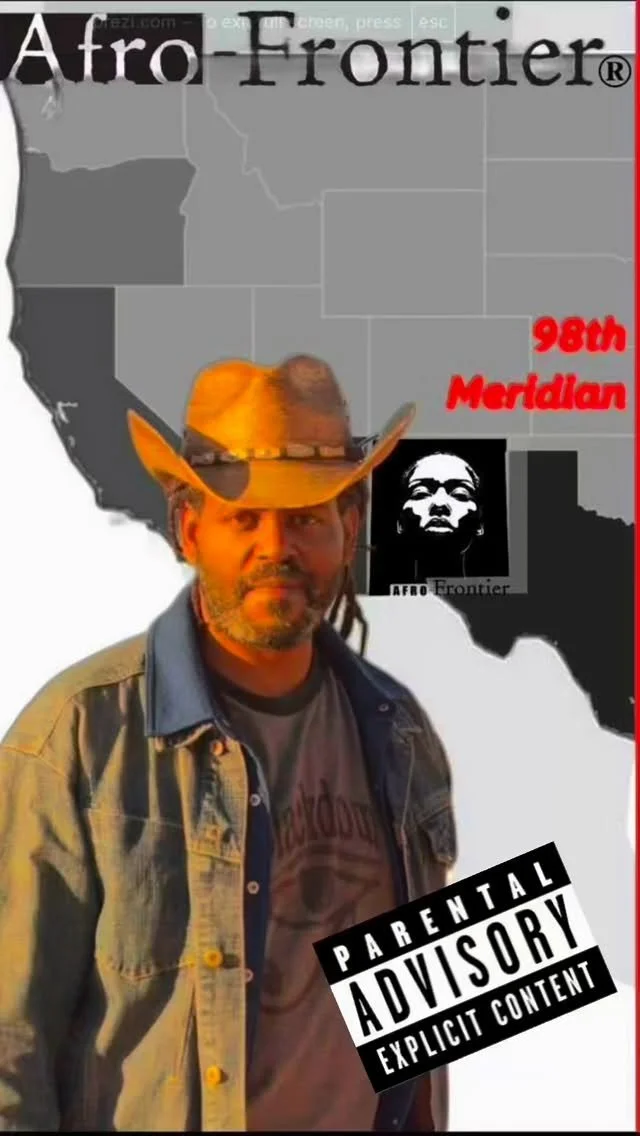
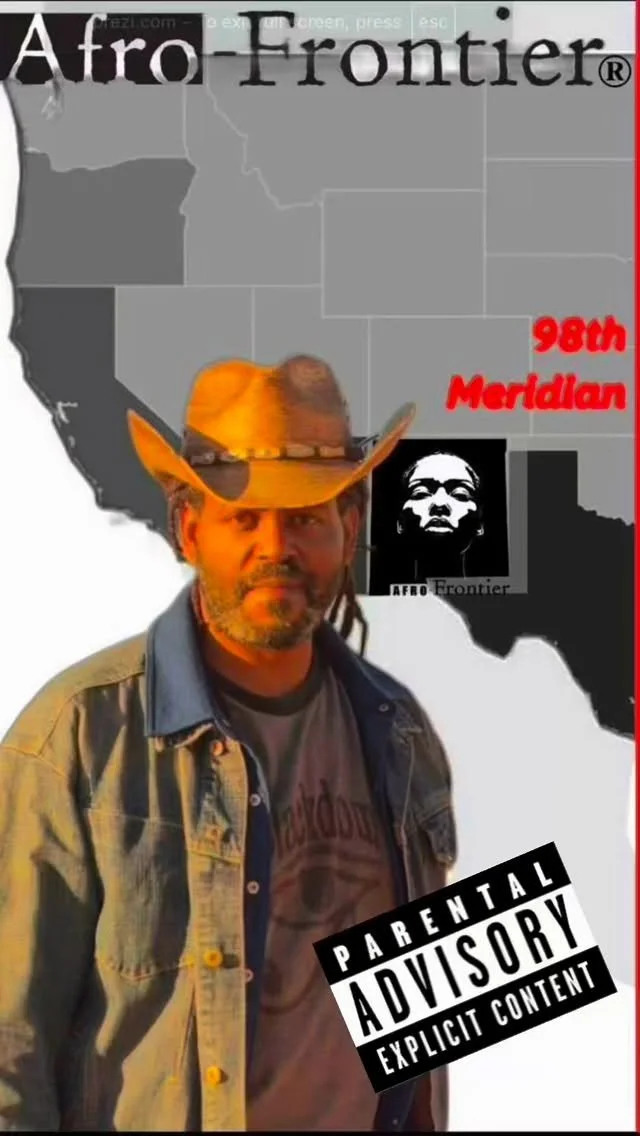
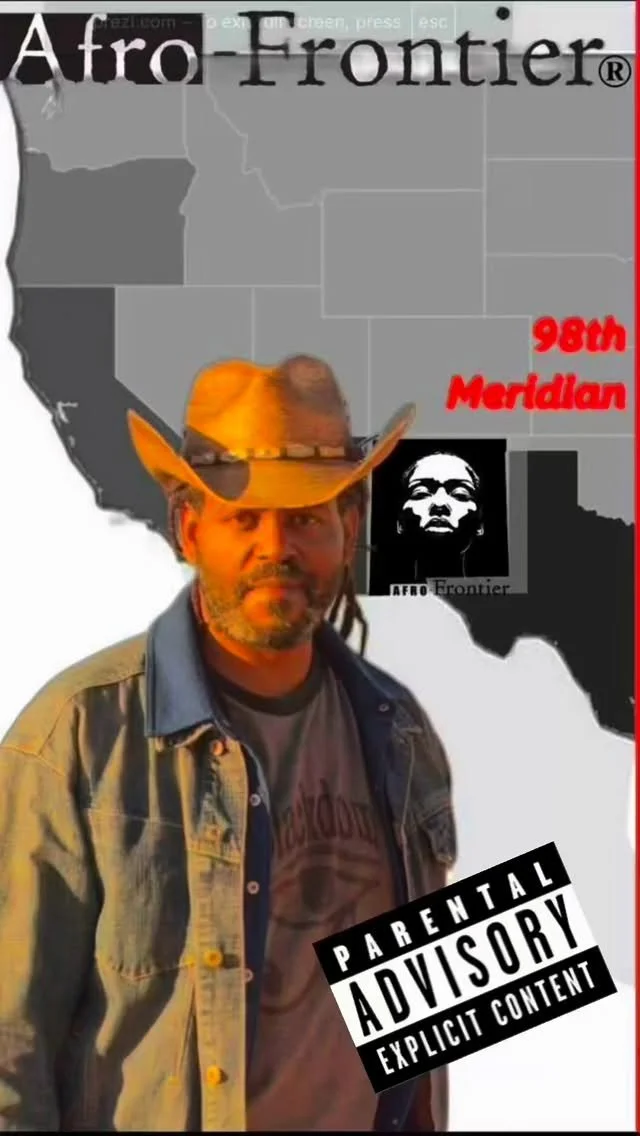
University of Northern Iowa Department of History alumnus, Dr. Timothy E. Nelson the Historian, is passionate about the significance of the Afro-Frontier in American history, and he uncovers the forgotten history of Blackdom, New Mexico.
Dr. Nelson merges Blackdom’s history with New Western History, Borderland Studies, Diasporic Studies, and Blacks in the West, placing Afro-Frontierists at the center of their histories, rather than as footnotes of other people’s histories. Through his dissertation as well as his current outreach, Dr. Nelson’s goal is uncovering and advocating for untold stories. He unequivocally raises the voices of Afro-Frontierists.
Welcome to Blackdom Townsite Corp.
View fullsize
![]()
View fullsize
![]()
View fullsize
![]()
View fullsize
![]()